How do you ruin a septic tank?
9 Ways You're Destroying Your Septic Tank
- Flushing Paper Products. ...
- Pouring Grease Down the Drain. ...
- Using Too Much Drain Cleaner. ...
- Introducing Additives to Your System. ...
- Flushing Cat Litter. ...
- Neglecting to Pump Your Tank Regularly. ...
- Planting Trees and Shrubs on Your Drain Field. ...
- Washer Lint Overload.
What happens if food goes into septic tank?
Excess Food Waste
The fine particulates present in ground food can easily float in the effluent layer of the tank and exit into the drainfield, which clogs the pores that help to filter the wastewater. For this reason, septic professionals recommend pumping your septic tank annually if you use a garbage disposal.
What should never go in septic tank?
A few things (not a complete list) that should never go into the septic tank and leach fields.
- cigarette butts.
- disposable diapers.
- sanitary napkins & tampons.
- handi-wipes.
- pop-off toilet wand scrubbers.
- trash.
- condoms.
- hair.
Will a body decompose in a septic tank?
Septic tanks are pumped every few years, and the bones would not decompose. The body may or may not decompose in a septic tank. A containment tank using lye or acids can accomplish destruction of a body in about 50 hours or less, especially if combined with heat.
what you DON’T want to see when you’re sucking your septic tanks
What happens to poop in a septic tank?
The decomposition process in the tank slows down, leading to blockage and overflow. Over time, soil, sludge, excrement and solid waste build up, as a result, the solid waste starts to build up. This process gets worse and finally the septic system gives up and backs up completely.
Does poop float in septic tank?
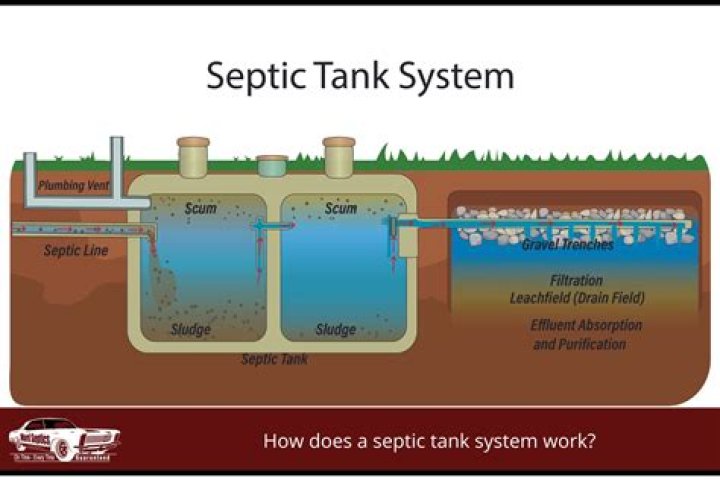
When the waste water from your toilet, shower, sinks and washing machine leave your house, it's combined. When it hits the septic tank, however, it begins to separate. The heaviest particulate matter in the waste, called sludge, sinks to the bottom.
What is the most common cause of septic system failure?
The most common cause of septic system failures is inadequate maintenance and/or improper care. Specifically, not pumping out the solids in a septic tank regularly is the most common failure mode. Septic tanks should be pumped every 3-5 years depending on occupancy and use.
How many loads of laundry a day are safe to do with a septic tank?
Spread Out Laundry Loads
These use less water which puts less stress on your septic system. Regardless of the type of appliance you have, you should still spread out your loads. Instead of doing several loads in one day, consider doing 1 load per day or space out 2 loads if you must do more in a single day.
How do you tell if your septic tank is full?
You can check the level of sludge and scum in your tank using a “stick test”. This involves lowering PVC pipes into the tank with marked measures to estimate the levels of sludge and scum. Remember, with septic tanks prevention is always better than the cure. There is no such thing as being too cautious with your tank.
Can kitchen waste go to septic tank?
Even if processed through a waste disposal unit, coffee grounds break down too slowly and can cause blockages in your system. Cigarette butts, cat litter, kitchen towels, tampons, prophylactics, nappies, and anything else thick or plastic can never go into a septic tank system.
Can you put coffee grounds down the sink with a septic tank?
Don't put food down your sink.
Septic systems are not intended to dispose of food waste, coffee grounds, grease, or fat, and, in fact, they will harm the septic tank. Try using a compost pile for non-meat food waste; it will help you avoid paying for unnecessary septic system repairs!
Do septic tanks work even if you flush things like bleach down the toilet?
Flushing antibacterial soaps and cleaning products like bleach into your septic tank can slow down the bacterial action in the tank, resulting in a dysfunctional tank and a more frequent cleaning schedule. Avoid flushing cleaning products or even using too many cleaning products when cleaning your home.
Is beer good for septic tanks?
If you wish to “feed” your septic system with meat, buttermilk, yeast, vegetables, beer, etc., then do not wash them down the drain. As a result, your septic system will be contaminated with bad bacteria.
How do I clean my septic tank naturally?
How much baking soda do I put in my septic tank? You can mix about a 1/4 cup of baking soda with 1/2 cup of vinegar and 2 tablespoons lemon to make your own natural cleaning agent. The baking soda will fizz up to help get the dirt and grime in your tub and drains.
What is the life expectancy of a septic system?
On average, a new septic system will last for 20-30 years. But this figure is not cast in stone. How long a septic system lasts is influenced by a variety of factors. For starters, durable septic systems are those that were properly built and are well maintained.
Should washing machine water go into septic tank?
Fortunately, most modern septic systems are entirely capable of handling wastewater from your washing machine, but irresponsible use can still cause serious problems in septic tanks and lines. Erring on the side of caution will help to prevent washing machines from causing serious damage to your septic system.
Does shower water go into septic tank?
Water from your kitchen, bathroom etc runs through one main drainage pipe leading to your septic tank. Underground the septic tank starts the process of holding the waste water. It needs to hold this long enough so the solids settle down to the bottom, while oil and grease floats to the top.
Can I clean with bleach if I have a septic system?
You might consider bleach to be a great cleaner to use for your septic system. Unfortunately, that mindset is a dangerous one to have because it's usually recommended to avoid using bleach in your septic system. The chemicals within bleach can kill the bacteria that your septic tank relies on.
What to do after septic is pumped?
Everyday maintenance: After a septic system pumping, you can take simple steps to ensure the system keeps working as intended. The first step is to only flush wastewater and toilet paper. Don't flush other items like feminine hygiene products, diapers or paper towels, as they may result in clogs.
How do you tell if your drain field is clogged?
Stay vigilant for five signs your drainfield does not drain correctly anymore.
- Slowing Drainage. Homeowners first notice slower than usual drainage from all the sinks, tubs, and toilets in a home when they have a compromised drainfield. ...
- Rising Water. ...
- Increasing Plant Growth. ...
- Returning Flow. ...
- Developing Odors.
Can you overwhelm a septic system?
If the septic system is suddenly flooded from a large volume of water generated by a number of guests in a few hours, it can potentially overwhelm the tank and drain field capacity. This would cause sewage backups and increase the risk of flushing untreated effluent into your drain field.
How often should you empty your septic tank?
How Often Should I Empty My Septic Tank? To keep your sewage system running correctly, your septic tank needs to be pumped out or desludged every 1 -2 years. It is extremely important to keep your septic tank maintained.
Why is toilet paper coming out of my septic tank?
Some or all pipes from buildings to the tank are clogged.
Customers may also experience this in their own sewer pipes. They can prevent their own and LOSS clogged lines by flushing only human waste and toilet paper down the drain (“pee, poo, and paper”).
Can I put dog poop in my septic tank?
Do not flush dog waste if you are on a septic system! Processing pet waste Page 2 2 may exceed the design capacity of your septic system. High volumes of hair and ash, not found in human waste, can clog the drain field. If you are on a septic system, place the waste in the trash that goes to the landfill.